
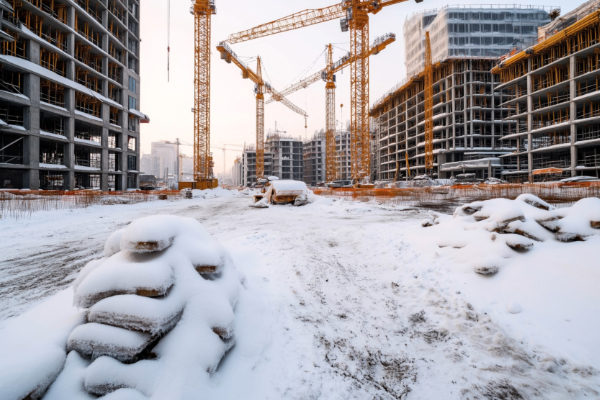
Soil and foundation testing are critical steps in the construction process, ensuring structures are built on stable, reliable ground. However, one often-overlooked factor in these assessments is the impact of seasonal changes. Weather conditions such as temperature fluctuations, rainfall, and freezing can significantly influence soil properties, which in turn affect testing results and construction decisions. Understanding these seasonal impacts is crucial for the success and longevity of your project.
Winter: Frozen Ground and Frost Heave
In colder months, soil freezes, which can lead to significant challenges in testing and construction:
- Frozen Soil: Frozen ground makes it difficult to conduct accurate soil tests, such as penetration testing or drilling. Test results may not accurately represent the soil’s behavior in warmer conditions.
- Frost Heave: When water in the soil freezes, it expands, causing the ground to shift upward. Frost heave can compromise the stability of foundations and other structures if not accounted for during planning.
Solution: Schedule soil testing before the ground freezes or after it thaws to ensure reliable results. If construction must proceed in winter, frost protection measures, such as insulation or heated concrete curing, can mitigate risks.
Spring: Increased Moisture and Soil Saturation
Spring brings thawing snow and increased rainfall, which can lead to:
- High Moisture Levels: Saturated soil becomes softer and less stable, which can affect bearing capacity and lead to settling or shifting foundations.
- Erosion Risk: Heavy rain can wash away topsoil, altering site conditions and affecting test results.
Solution: Perform moisture content and drainage tests to evaluate soil stability. Implement proper drainage systems to manage water flow and reduce erosion risks.
Summer: Dry Soil and Shrinkage
During summer, higher temperatures and dry weather can cause:
- Soil Shrinkage: Clay-heavy soils are particularly prone to shrinking and cracking as they dry out, leading to uneven settlement or foundation issues.
- Hard, Dry Soil: Compacted soil in dry conditions can affect penetration testing, potentially giving misleading results about soil stability.
Solution: Conduct tests during or after periods of moderate rainfall to capture a more accurate picture of soil behavior under typical conditions. Consider moisture conditioning for clay soils before construction.
Fall: Transitioning Conditions
Fall can be a mixed season with unpredictable weather, including dry spells followed by heavy rains. This transitional period can create challenges such as:
- Variable Moisture Levels: Soil conditions may fluctuate rapidly, making consistent testing difficult.
- Pre-Freeze Preparation: If construction extends into winter, it’s essential to account for potential frost impacts.
Solution: Plan testing early in the season to avoid complications from late-fall weather changes. Ensure proper site grading and drainage to prepare for winter conditions.
The Importance of Year-Round Soil Monitoring
Seasonal changes highlight the dynamic nature of soil properties, emphasizing the need for continuous assessment throughout a project. Conducting soil tests during different times of the year can provide a comprehensive understanding of how the soil will behave under various conditions.
Why Seasonal Awareness Matters
Ignoring the effects of seasonal changes on soil and foundation testing can lead to:
- Structural instability due to inaccurate data.
- Costly repairs from foundation shifting or settling.
- Delays in construction timelines caused by unforeseen issues.
By accounting for these factors, you can mitigate risks and ensure the success of your project.
Partner with Experts at QTE
At Quality Testing and Engineering (QTE), we understand the critical role of seasonal changes in soil and foundation testing. Our experienced team uses advanced techniques and local expertise to provide accurate, reliable results, no matter the time of year. Whether you’re planning a project in winter, summer, or anywhere in between, we’re here to help.
Contact us today to schedule a consultation and ensure your project is built on solid ground.